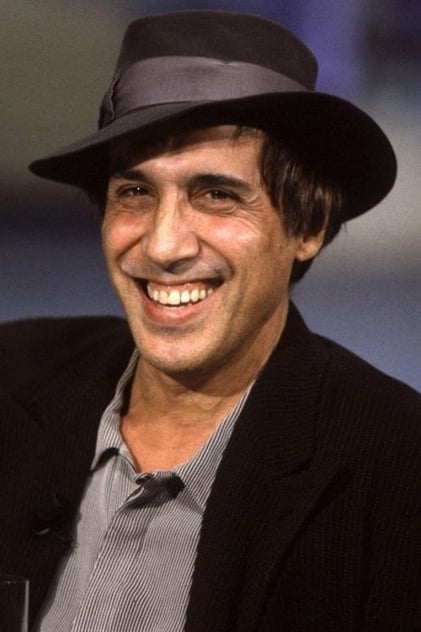
Adriano Celentano
Biography
Adriano Celentano (born 6 January 1938) is an Italian musician, singer, composer, actor, and filmmaker. He is dubbed il Molleggiato (the springy one) because of his dancing. Celentano's many albums frequently enjoyed both commercial and critical success. With 150 million records sold worldwide, he is one of the best-selling Italian musical artists. Often credited as the author of both the music and lyrics of his songs, according to his wife Claudia Mori, some were written in collaboration with others. Due to his prolific career, both in Italy and abroad, he is considered one of the pillars of Italian music. Celentano is recognized for being particularly perceptive of changes in the music business, and is credited for having introduced rock and roll to Italy. As an actor, Celentano has appeared in 39 films, mostly comedies. Celentano was born in Milan at 14 Via Cristoforo Gluck, and this address later became the subject of the famous song "Il ragazzo della via Gluck" ("The boy from Gluck Street"). His parents were from Foggia in Apulia and had moved north for work. His career as a singer started in 1959. Before his debut as an artist he was working as a watchmaker. Heavily influenced by Elvis Presley and the 1950s rock 'n' roll scene as well as by American actor Jerry Lewis, Celentano started playing in a rock and roll band with Giorgio Gaber and Enzo Jannacci. Along with Gaber and Jannacci, he was discovered by Jolly Records A&R Executive Ezio Leoni, who signed him to his first recording contract and co-authored with Celentano some of his greatest early hits, including "24.000 baci", "Il tuo bacio è come un rock", and "Si è spento il Sole". He first appeared on screen in Ragazzi del Juke-Box, a 1959 Italian musical film directed by Lucio Fulci with music by Ezio Leoni. In 1960, Federico Fellini cast him as a rock and roll singer in his film La Dolce Vita. In 1962, Celentano founded the Italian record label Clan Celentano (which is still active) with many performers such as Don Backy, Ola & the Janglers, Ricky Gianco, Katty Line, Gino Santercole, Fred Bongusto and his wife Claudia Mori. As a film director, Celentano frequently cast Ornella Muti, Eleonora Giorgi and his wife Claudia Mori. He and Mori have three children, Rosita, Giacomo and Rosalinda Celentano. Rosalinda is most notable to worldwide audiences for playing Satan in Mel Gibson's The Passion of the Christ. Celentano has also hosted several Italian television shows. Celentano has retained his popularity in Italy for over 50 years, selling millions of records and appearing in numerous TV shows and movies. As part of his TV and movie work, he created a comic genre, with a characteristic walk and facial expressions. For the most part, his films were commercially successful; indeed, in the 1970s and part of the 1980s, his low-budget movies were top of Italian box office rankings. As an actor, critics point to Serafino (1968), directed by Pietro Germi, as his best performance. ... Source: Article "Adriano Celentano" from Wikipedia in English, licensed under CC-BY-SA 3.0.
Also Known As
Movie Appearances
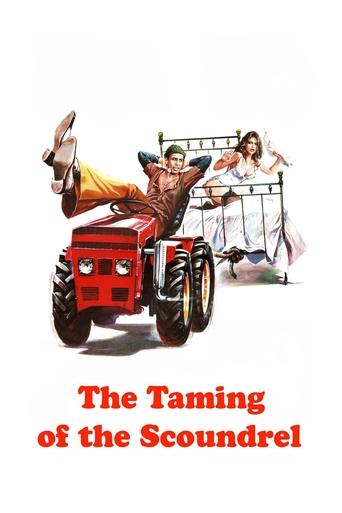
The Taming of the Scoundrel
as Elia Codogno
1980
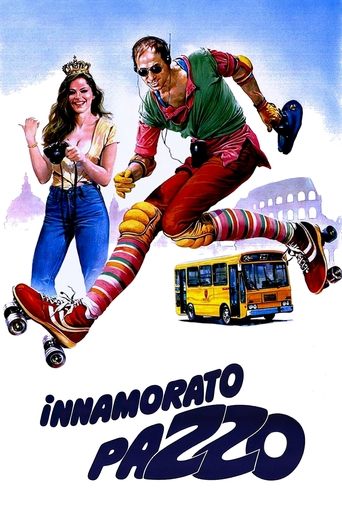
Madly in Love
as Barnaba Cecchini
1981
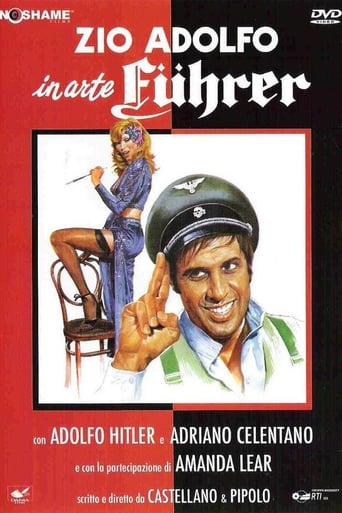
Loggerheads
as Herman / Gustav
1978
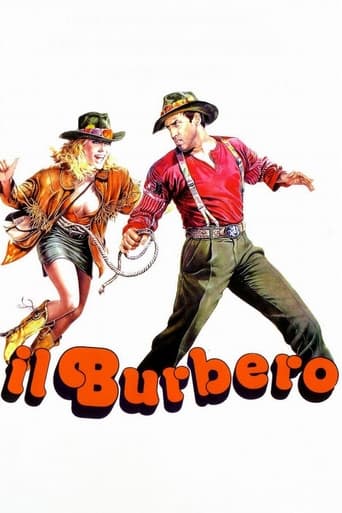
Il burbero
as Tito Torrisi
1986
Yuppi Du
as Felice della Pietà
1975
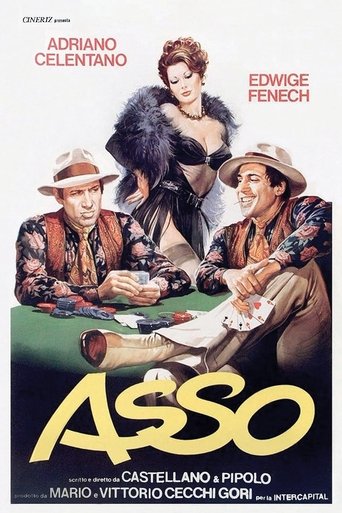
Ace
as Asso
1981
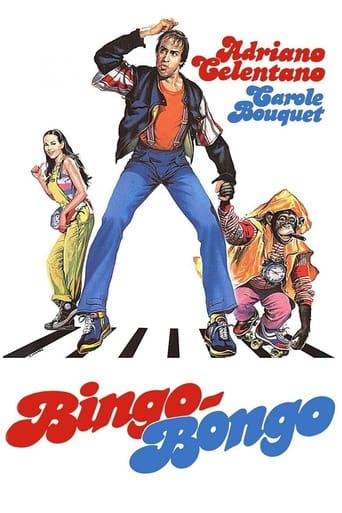
Bingo Bongo
as Bingo Bongo
1982
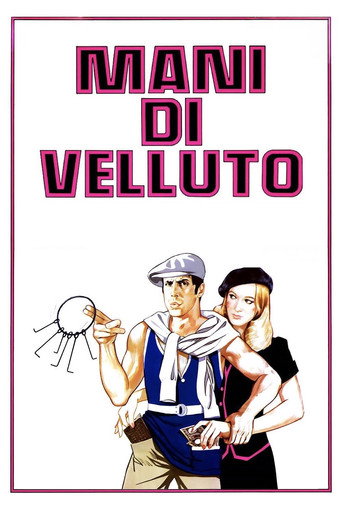
Velvet Hands
as Ingegner Quiller
1979

The Con Artists
as Félix
1976
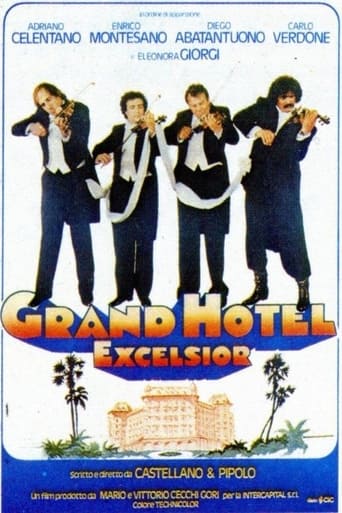
Grand Hotel Excelsior
as Taddeus
1982
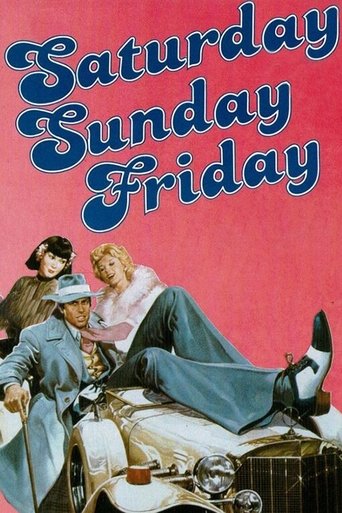
Saturday, Sunday and Friday
as Mr. Constantin (episodio "Venerdì")
1979
1960
as Self (archive footage)
2010
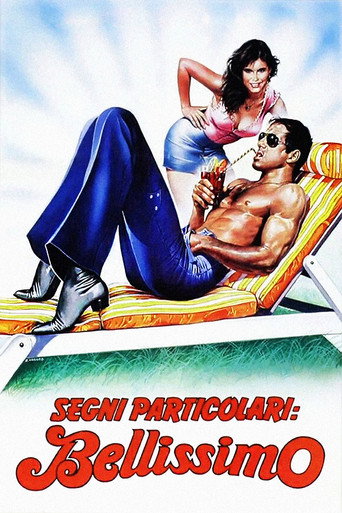
Special Features: Handsome
as Mattia
1983
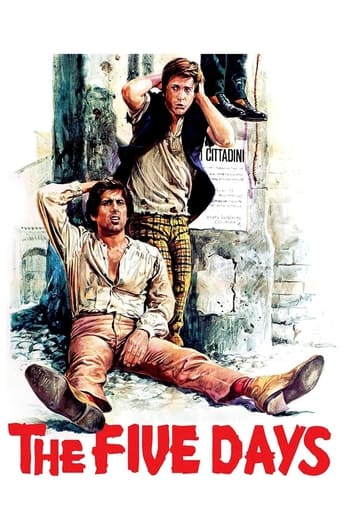
The Five Days
as Cainazzo
1973
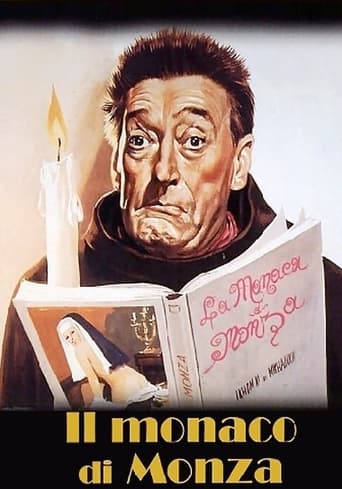
The Monk of Monza
as Un falso frate
1963
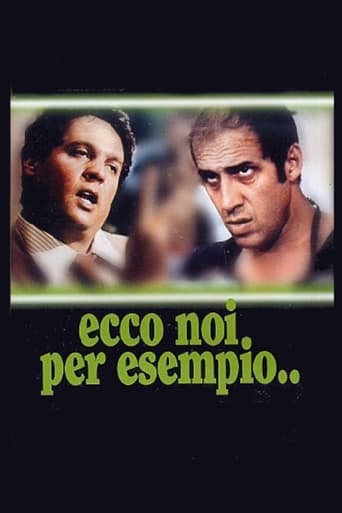
Here We for Example...
as Antonmatteo Colombo detto Click
1977
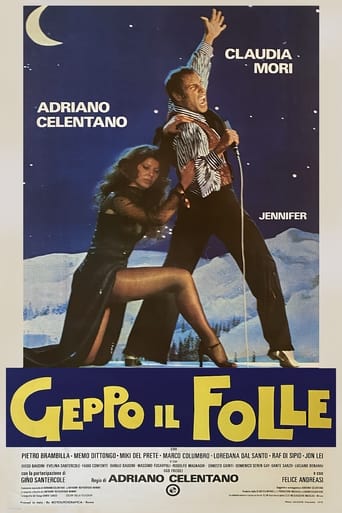
Geppo il folle
as Geppo
1978
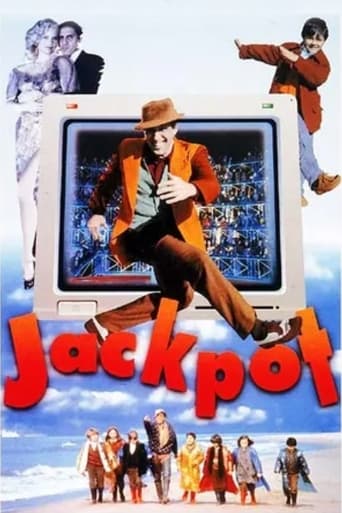
Cyber Eden
as Furio
1992
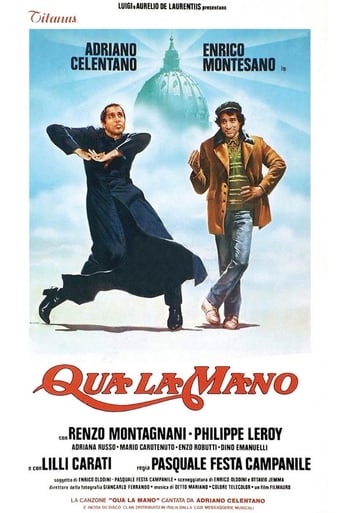
Give Me Five
as don Fulgenzio
1980
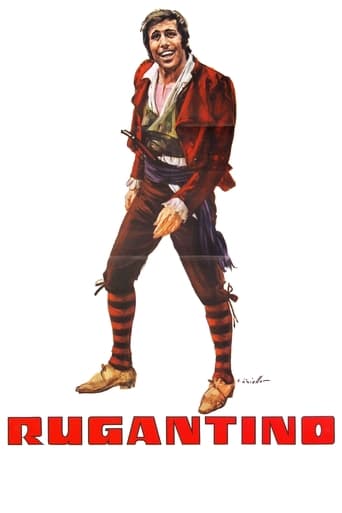
Rugantino
as Rugantino
1973
TV Appearances

Europarty
as Self
1967
Disco
as Self
1971
Bio’s Bahnhof
as Self
1978
Flitterabend
as Self - Singer
1988
Verstehen Sie Spaß?
as Self
1980
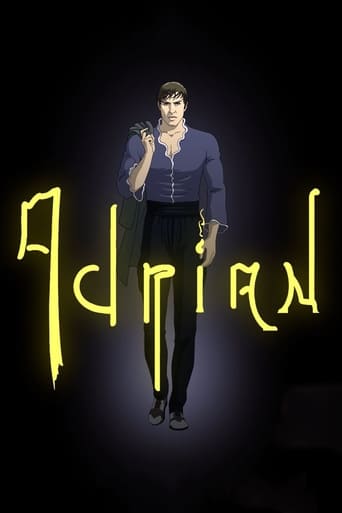
Adrian
as Adrian (voice)
2019
Vergißmeinnicht
as Self
1964
Les Rendez-vous du dimanche
as Self
1975
Numéro un
as Self
1975
Midi Première
as Self
1975
Diamoci del tu
as Self
1967
Please Turn the Page
as Self
1977